从黄仁勋倡议开放权重模型的公开叙事出发,分析算力、基础设施与生态利益如何共同塑造“世界需要开源模型”这句话。Starting from Jensen Huang’s case for open-weight models, this article examines how compute, infrastructure, and ecosystem incentives shape the narrative that the world needs open models.
从梁文锋近四小时交流中的一连串“不做”提炼出五个决策问题,用一条主线判断新机会是否真正值得投入。Distill a long conversation and its repeated refusals into five practical questions for judging whether a new opportunity strengthens the one main line that matters.
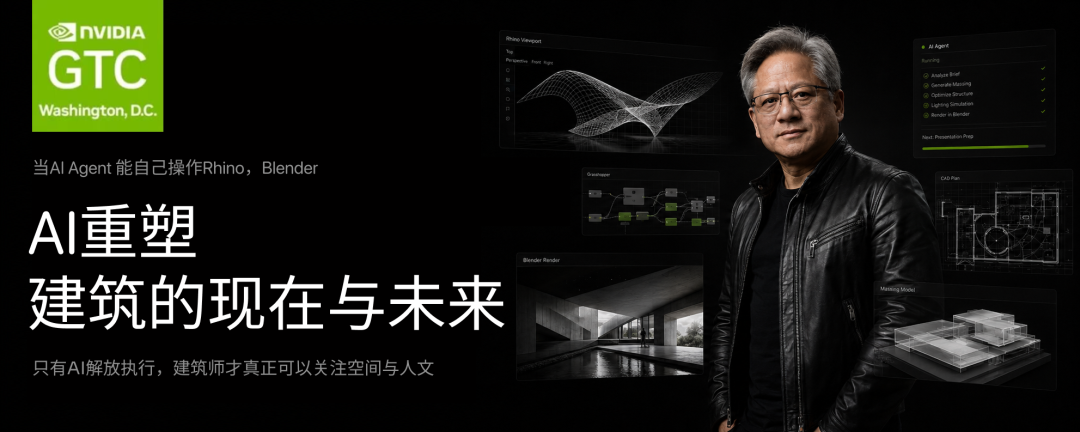
最近,黄仁勋在台北GTC演讲上演示了一个AI Agent:在演示中,Agent自己打开了Rhino,自己建模,自己调材质,自己导出到Blender,自己渲染出图。全程不需要人动鼠标键盘。At a Taipei GTC talk, Jensen Huang demonstrated an AI agent that opened Rhino, modeled, adjusted materials, exported to Blender, and rendered the result—without anyone touching a mouse or keyboard.
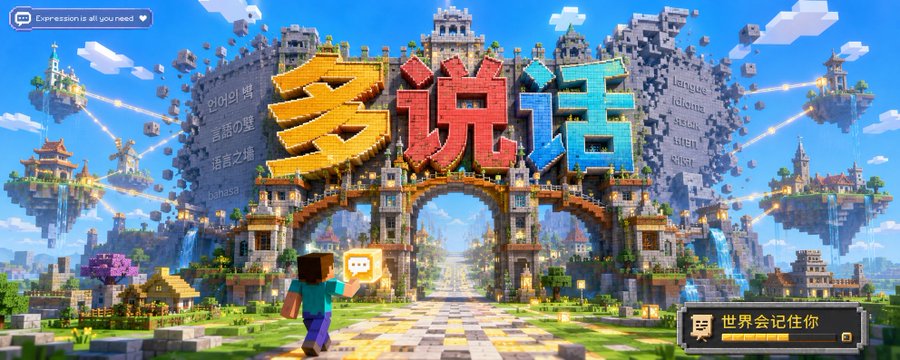
以前,人类都说同一种语言,于是想建一座通天塔「赞颂人类」上帝不舒服了,这不是挑战我吗,于是上帝打乱了所有人的语言。Once, humanity spoke one language and tried to build a tower reaching heaven to praise itself. God took it as a challenge and scrambled everyone’s language.
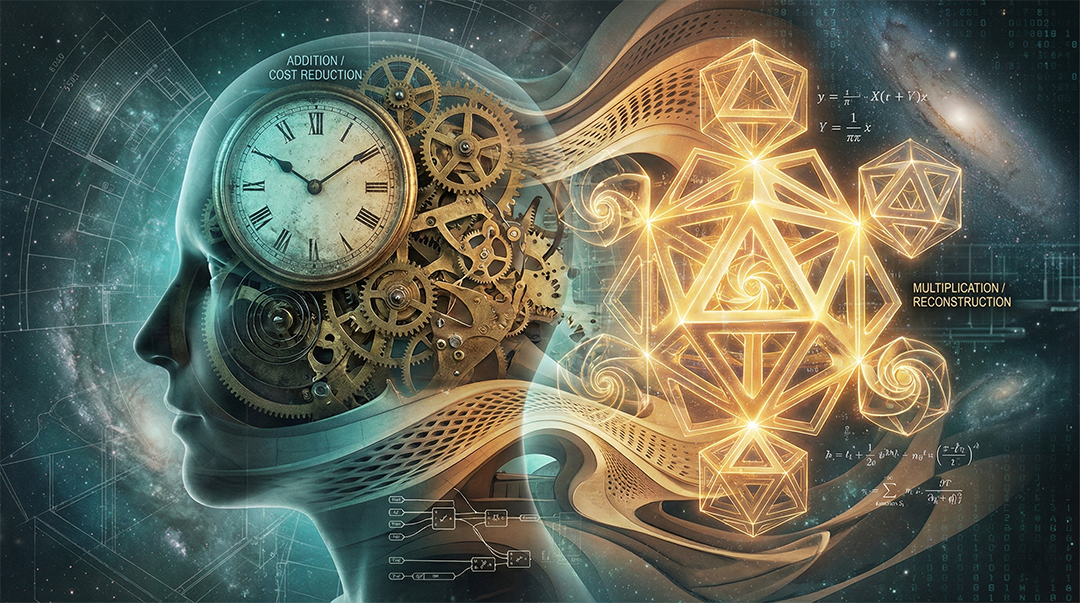
增长是任何系统保持生命力最基本的方式,资本只是借走了这个词。
最根本的问题,只有这一个:你在追求什么样的增长?Growth is the most basic way any system stays alive; capital merely borrowed the word. The fundamental question is just this: what kind of growth are you pursuing?
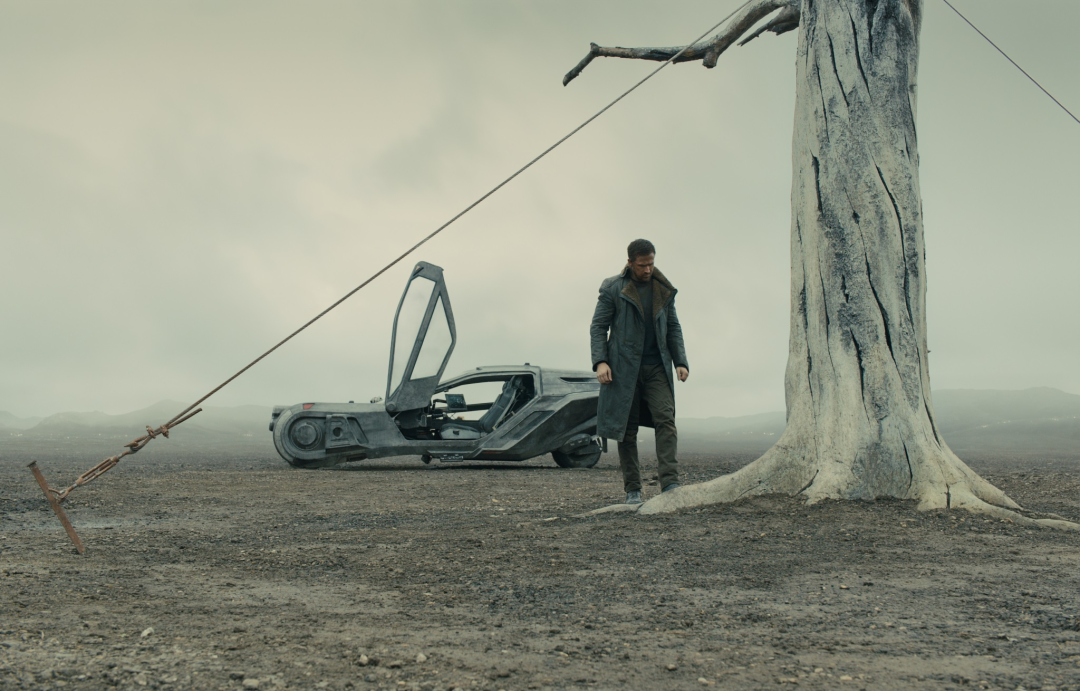
Agent 时代,人可能反过来成为 AI 的工具,科幻作品里其实早就给出了答案。In the agent era, people may end up becoming tools for AI. Science fiction has been giving us the answer for a long time.
看着这些“天才少年”,AI就好像是遍地黄金的许愿池。但切回现实,麦肯锡12月的最新重磅报告却显示:94%的企业都在用AI,但其中只有6%真正赚到了钱。These “genius teenagers” make AI look like a wishing well of gold. But McKinsey’s latest December report says 94% of companies use AI, while only 6% actually make money from it.
如果我告诉你,在 2025 年,“会说话”比“会写代码”更重要呢? 这不只是一句鸡汤,而是一场正在硅谷发生的、关于“表达权”的再分配。What if, in 2025, speaking well mattered more than writing code? This is not a motivational cliché, but a real redistribution of the power to express ideas happening in Silicon Valley.